
Written by Trịnh Thị Bảo Ngọc
Nowadays, books with themes of oppression and prejudice are often told, at least partly, from the viewpoint of the victims. Consider Min Jin Lee’s Pachinko, which reveals the thoughts and emotions of the Korean immigrants in Japan, or Margaret Atwood’s The Handmaid’s Tale, told from the viewpoint of Offred, an enchained handmaid.
But what if the pain, the cruelty, and the egregiousness of oppression is depicted no less searingly and authentically by the other side? What if, more specifically, they were told through the eyes of a white, middle-class girl living in the midst of Jim Crow?
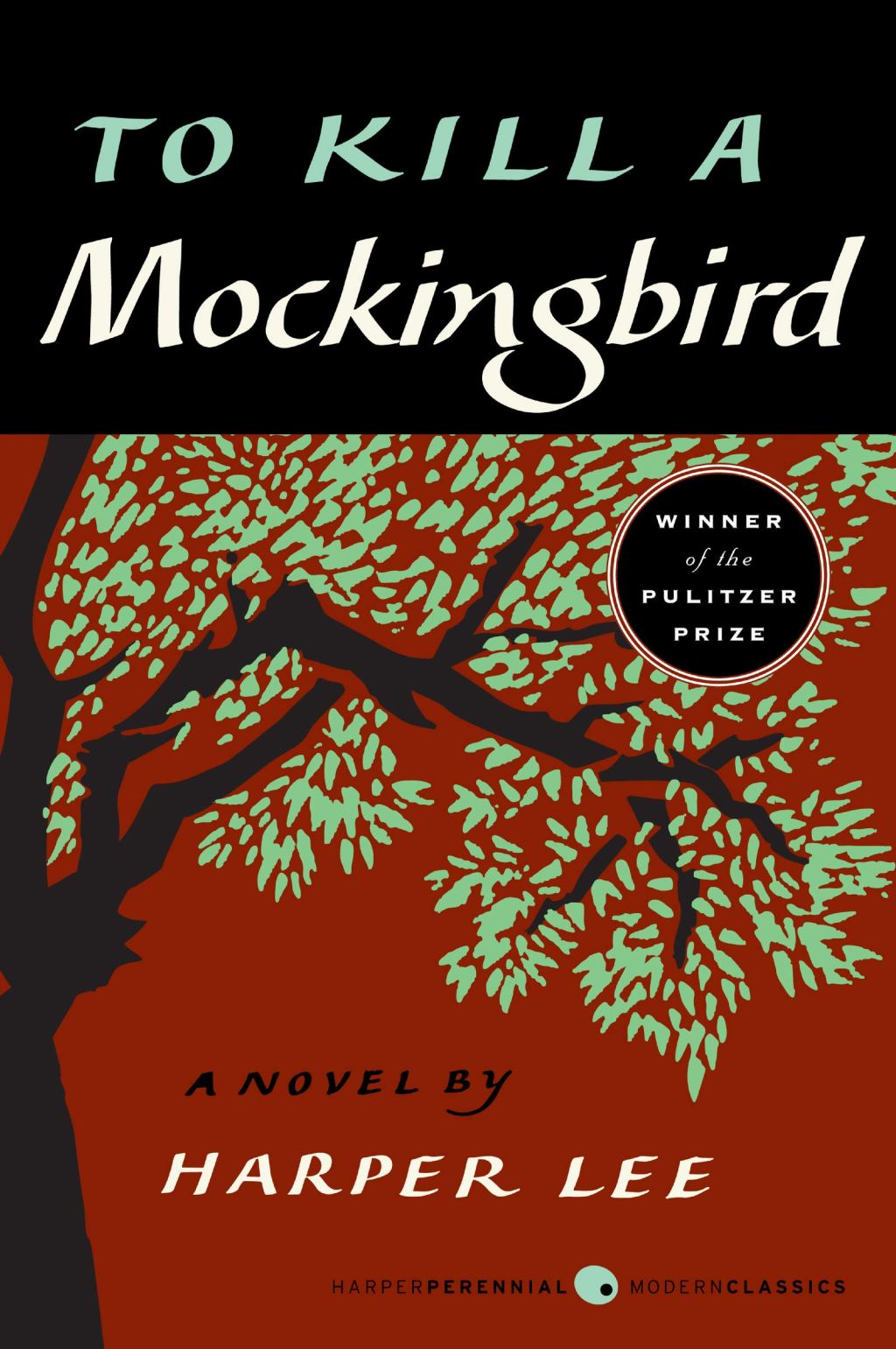
Book Review #13: To Kill a Mockingbird by Harper Lee
Synopsis
The story was based in a fictional town of Maycomb, Alabama, during the Great Depression. The protagonist is Jean Louise “Scout” Finch, an intelligent but unconventional girl raised with her brother, Jeremy Atticus “Jem,” by their widowed father, Atticus Finch, a lawyer. While the children are fascinated by their mysterious neighbor Boo Radley, they are deeply concerned with Atticus’s defense of Tom Robinson, a black man accused of raping a white woman. The story unfolds as Atticus seeks to exonerate the man, much to the protest and resentment of other Maycomb residents.
Personal Opinion
While it is narrated by a grown-up Scout, the main story is filtered through her childhood voice, combining innocence with later reflection. Initially, I wondered how this childlike tone related to a seemingly estranged title “To Kill A Mockingbird.” (My first instinct was to read it through the lens of violence, as though it whispered of endings, of something being killed for some bad reason.)
As I dwelled upon the story, I slowly grasped the symbolic meaning of “mockingbirds,” which represents innocence, purity, and harmlessness. Though meaningful, these creatures are harmed by their different outlook and deviation from social standards. Through the lens of a young Scout, the way prejudice and bigotry easily destroying an innocent soul simply because of skin color struck me deeply. Even in the face of irrefutable evidence, systemic racism deeply embedded in society at that time cruelly overrode truth and justice, robbing one of their life without giving him a chance to fight against the rigged judicial system. This book makes clear that prejudice was not just a matter of personal bias yet was built into the very structure of society. It was not just the opinions of a few individuals that doomed an individual, but the agreement of a community unwilling to challenge its own racist assumptions.
This novel is truly a depiction of reality itself with the rawness of human frailty and the weight of unspoken suffering. Its true cruelty lies not in the act of murder but in the merciless exposure of reality itself, a reality not armed with weapons, but with bigotry. By the end of the novel, you will realize how your assumptions might have been misleading: it was not death that the title foreshadowed, but the quiet brutality of truth.
 THE AVID READER
Leave a comment